
A Homeowners Guide to Wood Destroying Insects Simple and Complete

A small pile of sawdust by a baseboard can be easy to ignore. So can a few winged insects near a window. But when insects feed on, tunnel through, or nest inside wood, small clues can point to a much larger problem hidden behind walls, under floors, or inside beams.
Wood-destroying insects are not all the same. Some eat wood. Some hollow it out to make nests. Some only attack damp or decaying lumber. Knowing the difference helps you respond faster and avoid wasting money on the wrong fix.
This guide explains the main insects homeowners should know, the warning signs they leave behind, where to look, and what to do next.

What wood-destroying insects are
Wood-destroying insects are insects that damage wooden parts of a home or other structure. They may attack framing, subfloors, trim, siding, decks, fences, furniture, or stored lumber.
They damage wood in different ways:
Termites eat cellulose, which is found in wood and other plant materials.
Carpenter ants do not eat wood, but they carve galleries through it to build nests.
Carpenter bees drill round tunnels into exposed wood.
Wood-boring beetles feed inside wood during their larval stage and leave exit holes as adults.
The important point is simple. The insect matters because the solution depends on the insect. Termite treatment is different from carpenter ant control. A carpenter bee problem on a deck rail is different from beetle activity in hardwood flooring.
The most common wood-destroying insects in homes
The table below gives a quick comparison before we look at each pest more closely.
Insect | What it damages | Common signs | Main concern |
Subterranean termites | Structural wood, sill plates, joists, posts | Mud tubes, swarmers, soft wood | Hidden structural damage |
Drywood termites | Dry wood in walls, furniture, trim | Pellets, swarmers, hollow wood | Damage without soil contact |
Carpenter ants | Damp or softened wood | Sawdust-like frass, large ants | Nesting inside the structure |
Carpenter bees | Exposed exterior wood | Round holes, coarse sawdust, bee activity | Repeated tunneling over time |
Powderpost beetles | Hardwood, flooring, trim, furniture | Tiny holes, fine powder | Slow damage that may continue |
Old house borers | Softwoods, framing lumber | Oval holes, powdery frass | Damage to structural softwood |
Termites are the most serious concern for many homes
Termites cause concern because they can work out of sight for a long time. They often damage wood from the inside out, which means the surface may look normal until it is tapped, probed, or opened.
Subterranean termites
Subterranean termites are the most common termite group associated with homes in much of the United States. They live in the soil and travel to wood through sheltered paths.
Their key signs include:
Mud tubes on foundation walls, piers, sill plates, or crawl space supports
Winged swarmers indoors or near windows
Discarded wings on floors or window sills
Wood that sounds hollow when tapped
Thin, layered damage that follows the grain of the wood
Mud tubes are one of the clearest clues. They look like narrow dirt tunnels and help termites stay moist while moving between soil and wood.
Subterranean termites often enter where wood is close to soil, where moisture collects, or where cracks and gaps give them a sheltered path inside.
Drywood termites
Drywood termites are different because they do not need constant contact with soil. They can live inside dry wood, including framing, trim, furniture, doors, and attic wood.
Common signs include:
Small piles of hard, sand-like pellets
Tiny kick-out holes in wood
Swarmers inside the home
Hollow-sounding wood
Surface blistering or subtle cracking
Drywood termite pellets are often mistaken for sawdust, but they are usually harder and more uniform. They may collect beneath window frames, baseboards, furniture, or exposed beams.
Drywood termites are more common in warmer regions, but homeowners anywhere should take unexplained pellets seriously.

Carpenter ants hollow wood for nesting
Carpenter ants can be alarming because they are large and easy to see. Unlike termites, they do not eat wood. They excavate it to create nest galleries.
They often prefer wood that is damp, softened, or already damaged by leaks. Common locations include:
Window and door frames
Roof edges and soffits
Wall voids near plumbing
Crawl spaces
Deck connections
Areas around chimneys
Bathroom and kitchen walls
Signs of carpenter ants include:
Large black or reddish-black ants indoors
Ant trails at night
Piles of coarse sawdust-like material
Rustling sounds inside walls
Winged ants emerging indoors
The sawdust-like material is called frass. It may contain bits of wood, insect parts, and debris from the nest.
Carpenter ants often have a parent colony outdoors and satellite nests indoors. That is why spraying the ants you see may not solve the problem. The real nest may sit in a wall, stump, tree, or damp structural area.
A carpenter ant problem also points to a moisture problem. Fixing the leak or damp spot is part of long-term control.
Carpenter bees drill into exposed wood
Carpenter bees look somewhat like bumblebees, but their behavior is different. They drill into wood to create tunnels where they lay eggs.
They often choose:
Deck rails
Fascia boards
Eaves
Porch ceilings
Fence posts
Pergolas
Unpainted or weathered trim
A fresh carpenter bee hole is usually round and clean, about the size of a finger. Beneath it, you may see coarse yellowish sawdust. Bees may hover near the same areas in spring.
Carpenter bee damage is often limited at first. The concern grows when bees reuse and expand tunnels year after year. Woodpeckers may also peck open the tunnels to reach larvae, which can make the damage look much worse.
Painted or properly sealed wood is less attractive to carpenter bees than bare, weathered wood.
Wood-boring beetles can be slow but persistent
Wood-boring beetles are a broad group. In many cases, the larvae do the damage while feeding inside the wood. Adults later emerge and leave small holes.
Powderpost beetles
Powderpost beetles often attack hardwoods. They may show up in flooring, cabinets, trim, furniture, or imported wood items.
Signs include:
Tiny round exit holes
Fine powder that looks like flour
Powder collecting below wood surfaces
New holes appearing over time
Fresh powder is a stronger concern than old holes alone. Old beetle damage can remain visible long after the insects are gone. Active beetle problems usually show new powder or new holes.
Old house borers
Old house borers can damage softwoods, especially framing lumber. Despite the name, they can be found in newer or older homes if conditions are right.
Signs include:
Oval exit holes
Powdery or pellet-like frass
Faint chewing sounds in quiet areas
Damage in rafters, joists, or other softwood framing
Because beetle activity can be hard to confirm, it often requires a careful inspection. A professional may look at hole shape, powder type, wood species, age of damage, and moisture conditions.

How to tell the signs apart
Many homeowners notice “sawdust” first. That word gets used for several different clues, but the texture can help narrow the cause.
What you see | Likely source | What it may mean |
Mud tubes | Subterranean termites | Termites are traveling between soil and wood |
Hard sand-like pellets | Drywood termites | Termites are pushing droppings out of wood |
Coarse sawdust with debris | Carpenter ants | Ants are excavating a nest gallery |
Coarse yellowish shavings below a round hole | Carpenter bees | Bees are drilling into exposed wood |
Fine flour-like powder | Powderpost beetles | Beetles may be active in the wood |
Other clues matter too. Winged insects indoors often need close identification. Termite swarmers, flying ants, and other insects can look similar at a glance.
A simple comparison helps:
Termites have straight antennae, a thick waist, and wings of equal length.
Ants have bent antennae, a narrow waist, and front wings longer than back wings.
Do not rely on one clue alone. Location, moisture, season, wood condition, and insect appearance all help tell the full story.
Where to inspect around the home
A good inspection starts where wood, moisture, and shelter meet. Use a flashlight, a screwdriver or probe, and patience. Do not damage finished surfaces. Gently check exposed wood where it is safe to do so.
Focus on these areas:
Crawl spaces and basement rim joists
Foundation walls and piers
Sill plates and support posts
Around plumbing penetrations
Under sinks and near tubs
Window sills and door frames
Attic rafters and roof sheathing
Deck ledgers and stair stringers
Porch columns and railings
Wood siding close to soil
Firewood piles and stored lumber
Look for moisture stains, soft wood, insect wings, exit holes, pellets, mud tubes, blistered surfaces, and unexplained powder.
Pay special attention to wood that touches soil or sits close to grade. Soil-to-wood contact creates an easy path for subterranean termites and keeps lumber damp enough to attract other pests.
What to do if you find signs of damage
Finding a clue does not always mean the house is in danger, but it does mean the issue deserves attention.
Start with these steps:
Do not disturb the evidence too much.
Take clear photos and leave some material in place if possible.
Note the location.
Write down where you found the sign, such as a north wall crawl space joist or a window sill in the dining room.
Check for moisture.
Look for leaks, condensation, poor drainage, clogged gutters, or damp soil.
Look for related signs nearby.
A single exit hole may be old. Fresh powder, live insects, or spreading damage matters more.
Call a qualified pest professional for suspected termites or structural damage.
Termites, active beetles in structural wood, and large carpenter ant nests can be difficult to handle with do-it-yourself products.
Avoid quick spraying before identification. Killing visible insects may scatter activity or hide clues, while the main colony or nest remains active.
If damage looks structural, such as sagging floors, weakened beams, or crumbling support posts, bring in a licensed contractor or structural professional as well as a pest professional.
How to reduce the risk of wood-destroying insects
Prevention works best when it makes the home less inviting. Most wood-destroying insects benefit from moisture, hidden entry points, or exposed wood.
Practical prevention steps include:
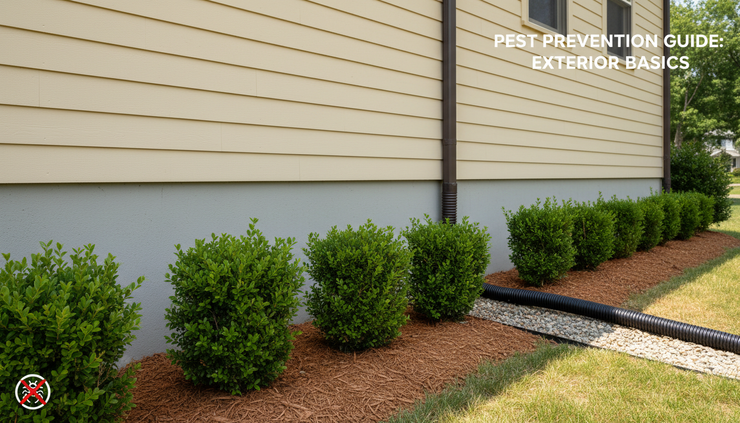
Keep gutters clean and direct downspouts away from the foundation.
Fix roof leaks, plumbing leaks, and dripping exterior faucets.
Keep crawl spaces dry and properly ventilated where required.
Maintain a visible gap between soil and wood siding or trim.
Store firewood away from the house and off the ground.
Remove dead stumps, buried wood scraps, and old boards near the foundation.
Seal cracks and gaps where insects can enter.
Paint, stain, or seal exposed exterior wood.
Replace softened or rotted wood rather than covering it.
Avoid foam, mulch, or soil piled high against siding.
Mulch is not automatically a problem, but thick, damp mulch against the foundation can hide termite tubes and keep the area moist. Keep it shallow near the house and avoid direct contact with wood.
For decks and porches, inspect connection points once or twice a year. Ledger boards, posts, stair supports, and railings often trap moisture.
When a professional inspection makes sense
Some situations call for more than a casual look.
Schedule an inspection if you notice:
Termite mud tubes
Indoor termite swarmers
Repeated piles of pellets or powder
Soft structural wood
Large numbers of carpenter ants indoors
Damage in crawl spaces, beams, joists, or sill plates
New exit holes in flooring or trim
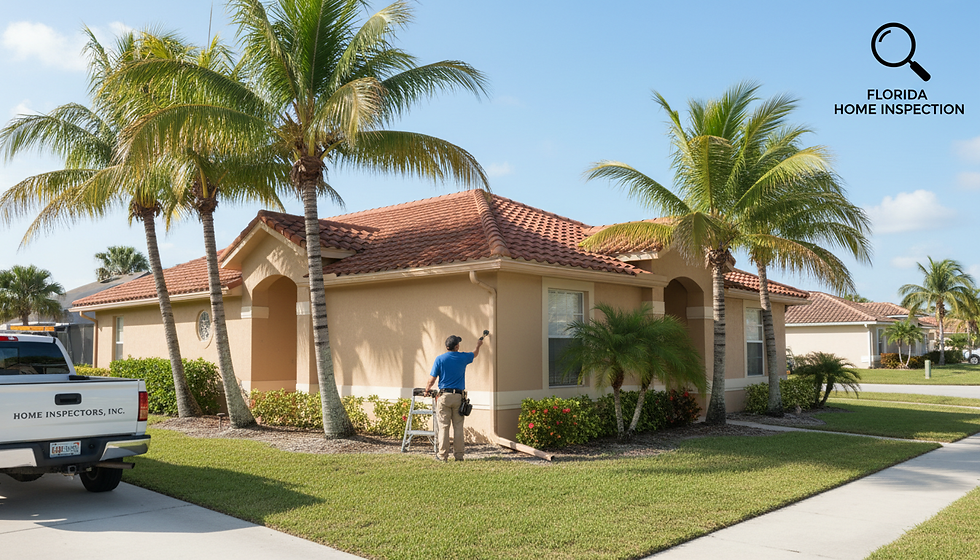
A home purchase or refinance that requires a wood-destroying insect report
A professional inspection can identify the insect, determine whether activity appears current, and recommend treatment. In many real estate transactions, a formal wood-destroying insect inspection is a specific report, not just a general pest visit.
Ask what areas the inspection covers, whether crawl spaces and attics are included when accessible, and what conditions may limit the inspection.
The key takeaway for homeowners
Wood-destroying insects leave clues, but the clues are easy to misread. Mud tubes, pellets, frass, round holes, soft wood, and winged insects each point in different directions.
The best plan is straightforward. Identify the insect, fix moisture problems, remove wood-to-soil contact, protect exposed wood, and get professional help when activity may involve termites or structural areas.
A careful response early can prevent a small hidden problem from becoming an expensive repair later.


Comments